
What Pests to Check for When You Buy a New House
You found the perfect house. In your mind, you’re already placing your furniture and picking out paint colors. Before closing the deal, pause to look a little deeper. The last thing you want is to sign the papers only to discover you have unwanted roommates living rent-free in your new home.
In New Mexico, pests like termites, rodents and cockroaches wreak havoc on properties. Checking for these critters can save you major financial headaches down the line. This guide outlines common pests and key inspection tips to protect your investment.
The New Mexico Pest Watchlist
Real estate is all about location, location, location. The same applies to pests. New Mexico’s climate creates a playground for unwelcome guests. Here are the top offenders to watch for in the Land of Enchantment:
Termites
Termites cause over $5 billion in property damage each year. Unlike unwanted houseguests who just eat your food, termites eat the house itself. They feed 24/7, destroying wood and weakening foundations, beams or flooring. Homeowners often only notice these pests once they cause serious damage.
Ants
An ant infestation can put a real damper on enjoying your new home. From wood-boring carpenter ants to smelly odorous house ants, these pests establish large colonies. They are relentless foragers. Ants will enter a house through the tiniest crack in search of food.
Cockroaches
No new homeowner wants to turn on the light to see cockroaches scuttling across the floor. These resilient pests cause all kinds of health issues. They can trigger asthma, contaminate food with bacteria and cause allergic reactions.
New Mexico has three main roach species — American, German and Oriental.
Rodents
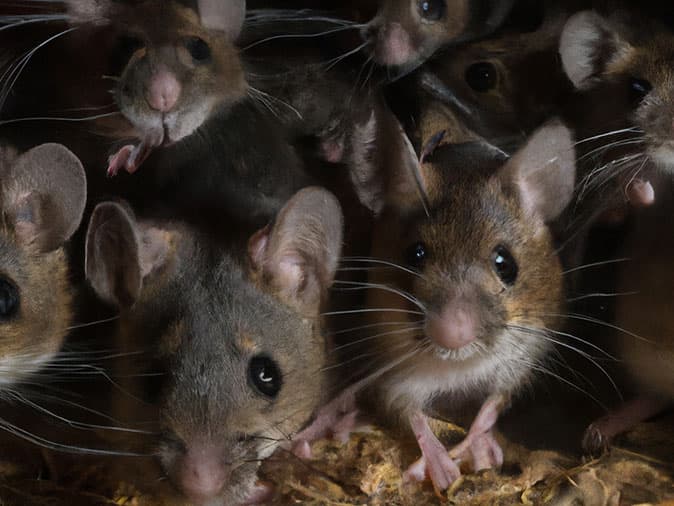
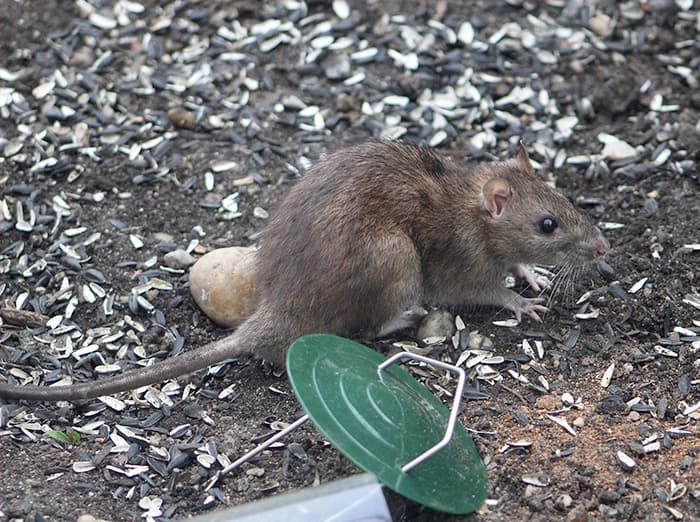
Mice and rats love your potential home as much as you do. As destructive as they are disease-ridden, rodents can be a real menace. They chew through everything from electrical wiring to drywall, causing serious property damage. These pests also spread diseases like salmonellosis, hantavirus and leptospirosis.
Bees and Wasps
Nothing “stings” like moving into your dream home only to find a nest of bees or wasps. From aggressive hornets to destructive carpenter bees, these insects can cause a buzzing headache.
Common stinging insects that invade New Mexico homes include:
- Africanized honey bees
- Bumble bees
- Carpenter bees
- Bald-faced hornets
- Paper wasps
- Yellow jackets
Fleas and Ticks
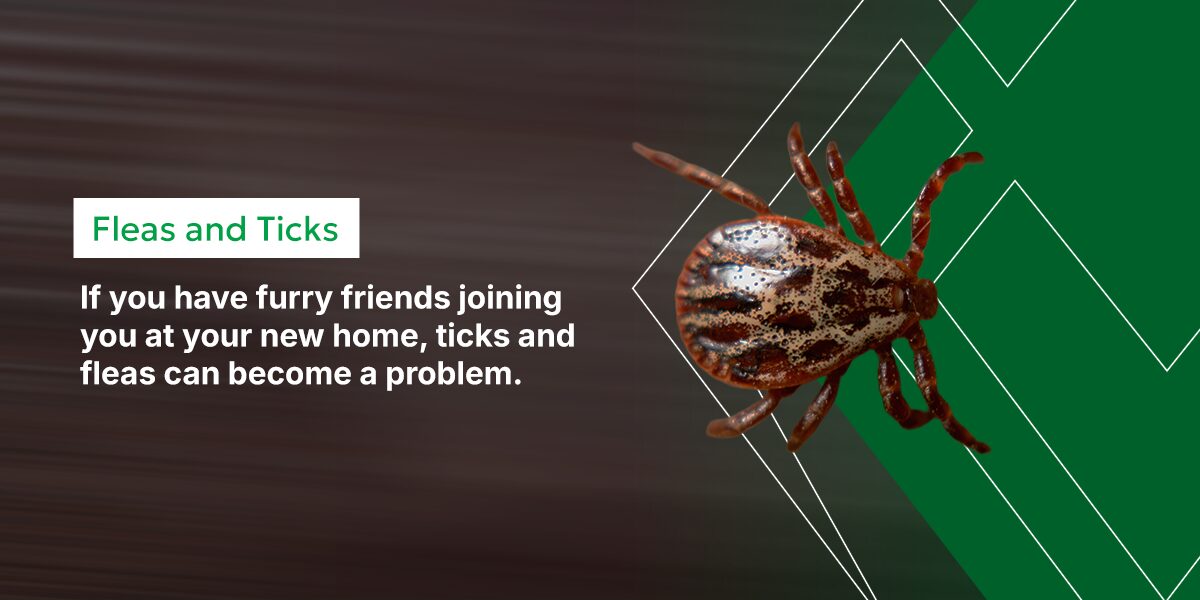
If you have furry friends joining you at your new home, ticks and fleas can become a problem. More than an itchy nuisance, these critters can cause health risks. Flea infestations can cause anemia in dogs or cats, while ticks carry Lyme disease. Treat infestations before you move in to protect your pets and loved ones.
Your 5-Minute Pest Checklist for House Walkthroughs
While seeing a trail of ants or a swarm of bees is a clear indicator of a problem, most pests prefer to stay hidden. Use this checklist to spot warning signs of pests in your home:
Unusual Smells
If you walk into a room and catch a whiff of the following, pay attention:
- Musty odors: A strong, musty scent often indicates moisture issues, termites or roaches. If a basement or crawlspace smells like damp cardboard, dig deeper.
- Oily or ammonia-like smells: Cockroaches leave behind an oily odor. Mouse and rat urine produce a sharp, ammonia-like smell.
- Sweet, rotting smells: A sweet but sickly smell can indicate a large infestation of bed bugs or even a dead pest trapped inside a wall.
Visible Droppings or Sheddings
These clues are often the most reliable evidence of an active infestation:
- Check inside cabinets: Open the cabinets under the sink and in the kitchen pantry. Look for small, dark pellets. Mouse droppings look like dark grains of rice, while roach droppings can look like coffee grounds or black pepper.
- Look for skins: Many insects shed their skins as they grow. Translucent, shell-like casings along baseboards or on window sills are clear signs of bugs nearby.
- Insect wings: Discarded wings on windowsills or near doors signal swarming termites or ants. It often happens when a colony is expanding, which means the infestation is likely mature.
Damage to Wood, Walls or Wires
Pests often leave a trail of destruction. Take note of:
- Gnaw marks: Rodents need to chew constantly to file their ever-growing teeth. Check for gnaw marks on door frames, baseboards and electrical wires in the attic or basement.
- Holes in walls: Small holes near the floor can be entry points for mice. Larger holes might indicate rats or squirrels.
- Hollow wood: Tap on wooden beams, window frames or deck posts. If the wood sounds hollow or papery, you might be dealing with severe termite damage.
Odd Sounds
If you are viewing a home during a quiet moment, listen for:
- Scratching or scurrying: Sounds coming from the ceiling or inside the walls usually point to rodents.
- Buzzing or clicking: Large nests of wasps or bees inside a wall void can create a noticeable buzzing sound. Some wood-boring insects also make faint clicking noises as they chew.
Nests or Greasy Marks
Pests build nests and leave trails where they travel or nest:
- Nesting materials: Shine a flashlight into dark corners of the attic, basement and garage. Shredded paper, fabric or insulation usually means a rodent nest.
- Grease marks: Rodents leave dark, greasy rub marks as they run along walls and baseboards. Look for smudges along the bottom of a wall that look like dirt but feel oily.
Mud Tubes
Mud tubes are the calling card of termites. They look like small tunnels made of dried mud running up the foundation of the house. These tubes allow termites to travel from the soil to the wood of your home without drying out.
The Value of a Professional Pest Inspection When Buying a House
You’ve followed the checklist and everything seems fine. Do you really need to pay a pro? The short answer is yes. A professional has the training, tools and experience to catch what you might miss.
What Does a Pest Inspection Look for?
Here’s what a licensed pest control technician checks during an inspection:
- Structural integrity and hidden damage: A pro looks beyond the bugs to the damage they cause. They probe wood to test for structural weakness caused by termites or carpenter ants. They can distinguish between old, inactive damage and a current, thriving infestation that is about to cost you thousands.
- Hard-to-reach areas: Technicians inspect every inch of the property, including attics and crawl spaces. These dark, undisturbed areas are often where pests establish their headquarters.
- Pest-inviting conditions: Experts can identify conditions that might attract pests to your new home. For example, leaking pipes create the dampness termites love while gaps in walls welcome rodents inside.
- Species identification: Seeing ants is one thing. Telling the difference between carpenter ants and acrobat ants is another matter. Each type requires a specific treatment plan. Misidentifying a pest can lead to ineffective DIY treatments that allow the damage to continue.
Who Pays for a Pest Inspection When Buying a House?
In most cases, the buyer pays for a pest inspection. Consider it part of your due diligence, much like the general home assessment. However, everything in real estate is negotiable. The seller might be willing to pay for an inspection to sweeten the deal.
Certain government-backed loans have specific rules about who pays for inspections. For example, VA loans used to require the seller to pay for the inspection, but regulation changes allow the buyer to pay.
If the inspection uncovers significant damage or active pests, you can often negotiate with the seller to cover the cost of treatment. Speak with your real estate agent to understand the specific norms in your market.
Experience Confidence With Polaris Pest Control
A new home is a significant investment. A professional pest inspection can prevent your dream from turning into a nightmare. If you’re house shopping in New Mexico, count on the pros at Polaris Pest Control. Our licensed and certified technicians know every local pest, whether they buzz, burrow or bite.
Finding signs of unwanted intruders doesn’t have to stop the sale. With the expertise of our on-staff entomologists, we develop effective solutions to rid your new home of pests. We even educate you on how to prevent future infestations.
Start your new chapter with peace of mind. Speak to an expert or request a free quote today.