What Are Termite Tubes And How To Identify Them
You’re walking around your home and spot lines of dirt snaking up a wall or across your foundation. It’s just dirt, pretty harmless, right? They may look innocent, but those tracks can signal something serious — subterranean termites. In fact, they’re one of the clearest indicators of early infestation. Termites create tunnels connecting underground colonies to their food source. Knowing what to look for can help you prevent serious damage.
Explore what termite mud tubes are, how to spot them and what action to take if you do. When it comes to termite activity, the sooner you act, the better.
What Is a Termite Mud Tube?
Mud tubes, also called shelter tubes, are protective tunnels constructed by subterranean termites. This termite species lives in underground colonies. They build the tubes from a clay-like material made from soil, wood particles and their own saliva.
The tunnels help termites maintain the humid environment they need to survive. Inside the tubes, the termites stay protected from sunlight, air and predators.
Every day, thousands of termites commute inside these covered highways, hidden from view. The tubes link their nest in the soil to wood, providing a safe route for gathering food. Without them, termites would dry out and lose access to their food sources.
These tiny architects build with purpose. Their intricate network allows the colony to thrive in secret, with damage often going unnoticed.
How to Identify Termite Tubes on Your Property
Termites cause damage to more than 600,000 U.S. homes each year. Early identification can save you thousands of dollars in property damage.
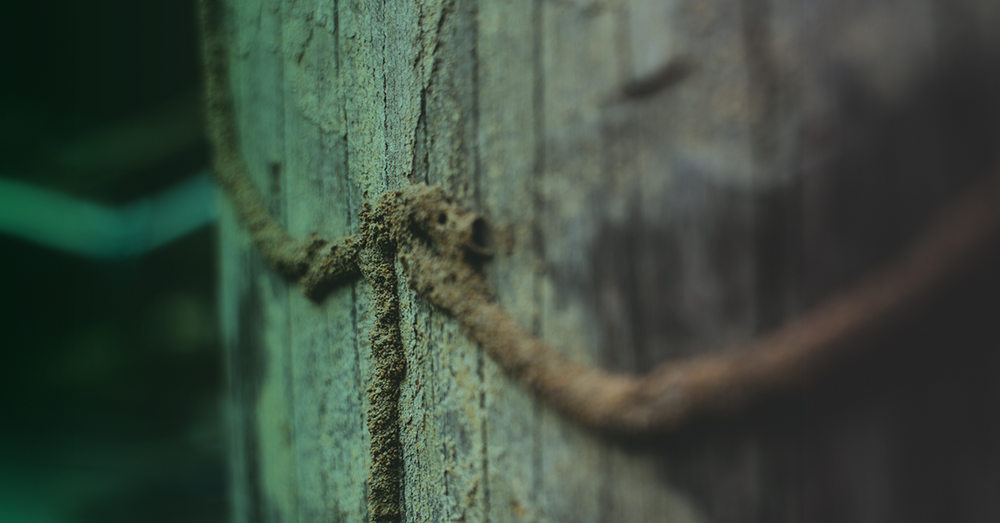
The tubes often resemble hardened trails of mud. Most are about the width of a pencil, although older tunnels can grow thicker over time.
They have an earthy color that blends with soil or dirt. Look for raised, vein-like structures on wood, concrete or masonry. These tubes may run vertically or horizontally, connecting the ground to structural elements.
When searching your property, grab a flashlight and take your time. Careful inspection can reveal mud tubes in hidden spots that are easy to miss.
Common Places to Find Termite Mud Tubes
Termite tubes often appear in areas where moisture and wood meet. Check these locations first:
- Along foundation walls, especially where soil touches the structure
- Inside basements or crawl spaces, near beams of subflooring
- Around porches and decks, particularly where wood posts rest on soil or concrete
- Near plumbing lines, vents and utility entry points where termites can slip through gaps
Each of these areas provides the cover and access to wood that termites crave. Regular inspections, especially during spring and summer, can catch activity before damage spreads.

Active vs. Inactive Termite Tunnels
A closer look at the tubes can tell you whether you have a new or old infestation. Active tunnels feel moist and sometimes cool to the touch. If a small piece breaks away, the termites repair it within one to two days. Their quick response shows the colony is still using this route.
In contrast, inactive tubes appear dry or brittle and may crumble when touched. An inactive tube doesn’t mean the termites have left. They often seal off older tubes and build new ones elsewhere, staying out of sight.
If you discover any tube, active or inactive, call a pest control professional. They can confirm whether the termites are active and assess the extent of the problem.
The Four Main Types of Termite Tubes
Subterranean termites use different tube designs. Each one plays a role in how the colony explores, feeds and expands:
- Exploratory tubes: These thin, fragile tubes spread out like branches. Termites use exploration tubes to search for new food sources, often abandoning them to venture deeper.
- Working tubes: Sturdy and well-built, these tubes serve as the primary travel routes between the nest and the wood. They can stretch for several feet and carry thousands of termites daily.
- Swarm tubes: During the spring swarming season, these large, dome-like structures appear. Winged termites, or swarmers, use them when preparing to leave the nest.
- Drop tubes: Found indoors or under wood beams, these tubes extend downward. They resemble stalagmites, extending from the structure to the ground. Drop tubes help termites reconnect to the soil.
What Should You Do if You Find Termite Tubes?
Spotting a termite tube can feel unsettling, but it’s a valuable discovery. Caught early enough, you can take action before the insects do irreparable harm. Here’s what to do next:
- Leave the tubes in place: Avoid breaking the tubes or spraying them with store-bought products. Disturbing the tubes can cause the termites to move deeper into the structure.
- Document what you see: Take clear photos showing the tube’s location and size.
- Call a pest control professional: DIY pest control can do more harm than good. A licensed technician can identify active tubes, locate hidden colonies and recommend treatment.
- Avoid waiting: Schedule an inspection as soon as possible. A delay gives the colony time to expand.
- Follow the recommendations: Pest control services focus on treatment and prevention. They target both visible tubes and unseen underground colonies.
Even a single small tube can connect to a colony ranging from thousands to millions of termites. Early response saves you from costly structural repairs in the future.
Protect Your Albuquerque Home From Termites
New Mexico’s warm climate creates ideal conditions for subterranean termites to thrive throughout the year. That’s why local expertise matters when protecting your home. Polaris Pest Control understands the habits of termites in this region. We use proven termite control methods for safe and complete removal.
A licensed technician conducts a thorough inspection of your property. They identify active tubes, hidden entry points and the conditions attracting termites. Then, they design a comprehensive treatment plan. Our effective treatments are tough on termites but safe for your loved ones.
Don’t wait for the damage to get worse. Contact Polaris Pest Control today to request a free quote and enjoy a termite-free home!
Termite FAQs
The team at Polaris Pest Control is always happy to answer your questions. Here are some common termite-related FAQs we get asked:
What Are Other Signs of Termite Infestation Besides Tubes?
Mud tubes are some of the clearest indications of termites, but they aren’t the only ones. Look for these warning signs:
- Damaged wood: Try knocking on wood structures such as siding or window frames. A hollow sound could mean termites. Buckling or blistered wood flooring signals that termites have been snacking on your subfloor.
- Termite droppings: Termites often leave tiny pellet-like droppings called frass near infested wood.
- Visible swarms: Winged termites or swarmers leave the colony to find new homes.
- Discarded wings: Once they form mating pairs, swarmers lose their wings. You may see piles of discarded wings near doors or window sills.
- Unusual sounds: Clicking or rustling inside your walls may indicate the presence of termites.
What Attracts Termites?
Termites need moisture. You can often find them near leaking pipes, damp soil or areas with poor drainage. They eat untreated wood, like furniture, structural elements and firewood. Areas with wood-to-ground contact can also attract termites.
Can I Get Rid of Termites Myself?
Following the advice of a Reddit user may seem budget-savvy, but professional solutions are often more effective. Termites live deep within the soil and wood, which makes them difficult to reach. DIY methods only affect a small part of the colony, leaving the rest active and causing more damage.
A targeted treatment plan provides lasting protection. Trained technicians can find hidden nests, identify the species and treat the source. They also monitor activity after treatment to ensure the colony is gone.